
Where do beans come from? What are their differences?
The Allure of the Coffee Bean
From the first sip in the morning to the aroma that fills the air of your favourite café, coffee is much more than a beverage—it’s an experience. But what lies behind every brew? The simple answer: coffee beans. Let’s delve into the captivating world of coffee beans and explore their origins, types, and the stories they tell.
The Root of the Brew: Where Do Coffee Beans Come From?
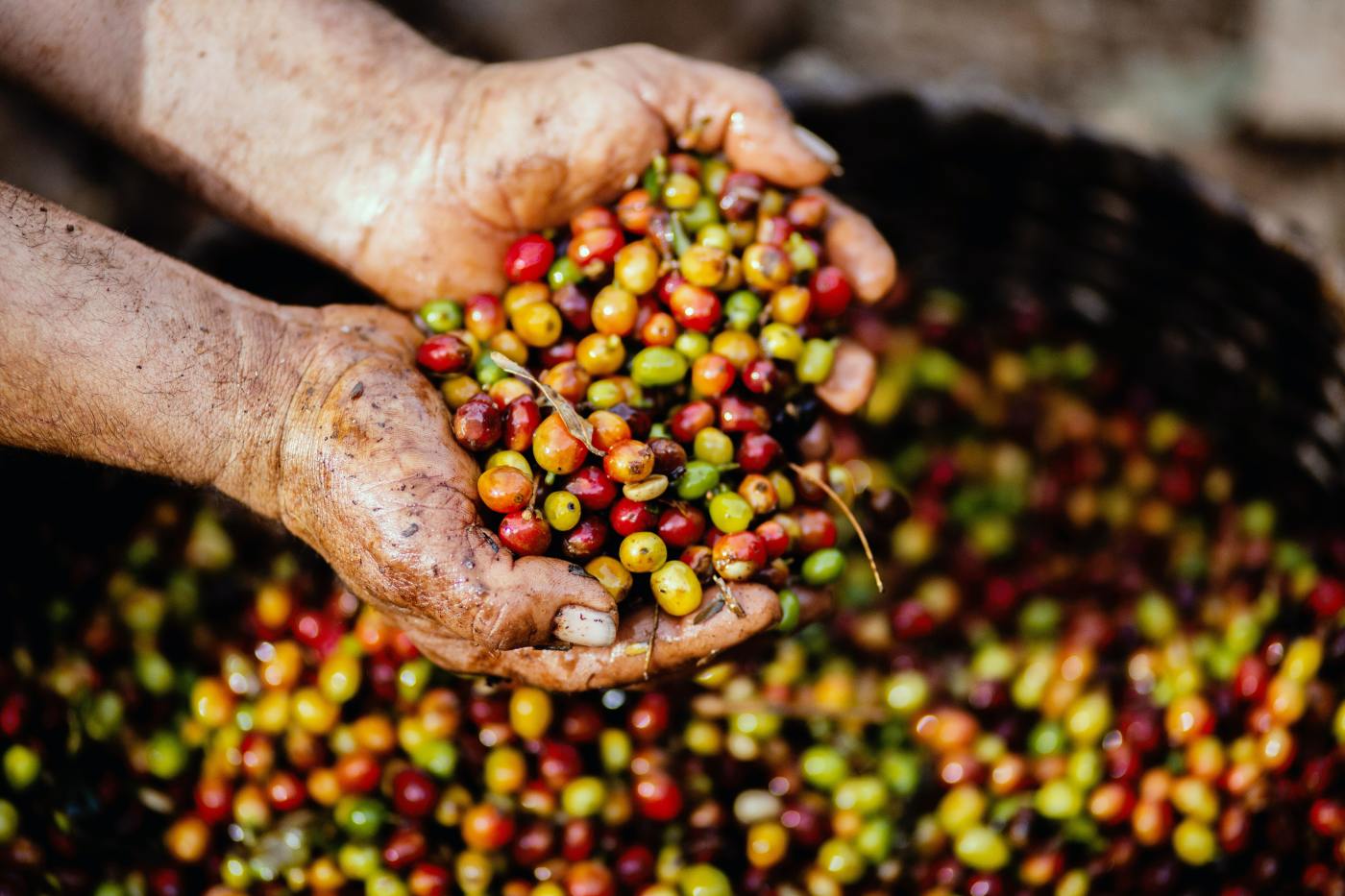
Coffee beans are the seeds of the Coffea plant’s cherries. Native to tropical regions of Africa, these plants have found homes in various parts of the world, each locale imparting its unique characteristics to the beans. There are two primary species of coffee plants that give us the beans we love:
- Coffea Arabica (Arabica Beans): This species accounts for about 60-70% of the global coffee production. Arabica beans are often favoured for their smoother, sweeter taste and higher acidity.
- Coffea Canephora (Robusta Beans): These beans are more bitter and contain almost twice as much caffeine as Arabica beans. They’re also more resilient to pests, making them easier to cultivate.
Coffee Beans – Coffee Origins
Coffee’s journey from plant to cup is influenced by the region where it’s grown. Different environments lead to distinct flavour profiles:
- African Beans: Countries like Ethiopia, Kenya, and Tanzania produce beans that often carry fruity, floral, and wine-like nuances. Ethiopia, often termed the ‘birthplace of coffee’, offers beans with varied and complex profiles, ranging from winey to citrusy.
- South American Beans: Brazil, Colombia, and Peru are known for beans with nutty, chocolatey, and caramel notes. Brazil is the world’s largest coffee producer, boasting beans that cater to a wide range of palates.
- Asian Beans: Countries like Vietnam, Indonesia, and India produce beans that can be earthy, woody, and robust. Vietnam, for instance, is the world’s top Robusta producer.
- Central American Beans: Regions like Costa Rica, Guatemala, and Honduras offer beans with bright acidity, floral aromas, and citrus undertones.
A Global Endeavour: Where is Coffee Grown?
While coffee originated in Africa, its cultivation has spread across the globe. The ‘coffee belt’ encompasses countries around the Equator, spanning from the Tropics of Cancer to Capricorn. Here, the climate provides the right mix of rain, sun, and temperature, essential for coffee cultivation. Key regions include:
- Africa: The eastern highlands, particularly Ethiopia and Kenya.
- South America: The vast landscapes of Brazil, the Andean mountains of Colombia, and the plateaus of Peru.
- Asia: The volcanic soils of Indonesia, the highlands of Vietnam, and the monsoon-influenced regions of India.
- Central America: The mountainous terrains of Costa Rica, Guatemala’s rainforests, and Honduras’ fertile plains.
Plant Diversity: Do Different Plants Produce Different Coffee Beans?
While Arabica and Robusta are the most known, other species like Coffea Liberica and Coffea Excelsa also exist, though they make up a minor portion of global production. Each species—and often varietals within species—offers a distinct flavour profile and caffeine content, influenced by its genetics and the environment where it grows.
A Bean’s Tale
Every cup of coffee narrates a tale of its origin—a dance of genes, soil, sun, and rain. By understanding the intricate details of coffee beans, from their types to their origins, we not only become informed consumers but also deepen our appreciation for this beloved brew. So, the next time you sip your coffee, take a moment to ponder its journey and the rich tapestry of stories it holds.
Also read: How to choose the right coffee beans for my business?
FAQ: Delving Deeper into the World of Coffee Beans
Q: Where did coffee originate?
A: Coffee is believed to have originated in the ancient rainforests of Ethiopia. Legend has it that a shepherd named Kaldi discovered coffee when he noticed his goats becoming unusually energetic after eating berries from a particular plant. From Ethiopia, coffee made its way to the Middle East and then spread across the globe.
Q: How many types of coffee beans are there?
A: Primarily, there are four main types of coffee beans:
- Arabica (Coffea Arabica): Known for its sweet and soft taste, it’s the most widely consumed coffee bean type.
- Robusta (Coffea Canephora): It’s stronger and more bitter than Arabica and has a higher caffeine content.
- Liberica (Coffea Liberica): A rarer bean type with a unique flavour profile that ranges from smoky to woody.
- Excelsa (a variety under Liberica species): Used to provide a tart, fruity profile in blends.
Q: What is a coffee bean?
A: A coffee bean is the seed of the coffee plant’s cherry. The cherry typically contains two beans. Once the cherries are harvested, they’re processed to extract these beans, which are then roasted to varying degrees to produce the coffee we drink. The roast level influences the flavour and aroma of the resulting brew.
Q: Where do coffee beans grow?
A: Coffee beans grow in tropical regions around the world, often referred to as the ‘coffee belt’. This spans countries situated between the Tropics of Cancer and Capricorn. Some primary coffee-producing regions include the eastern highlands of Africa (like Ethiopia and Kenya), the vast terrains of South America (such as Brazil and Colombia), the volcanic regions of Asia (including Indonesia and Vietnam), and the mountainous landscapes of Central America (like Costa Rica and Guatemala).
Q: Which coffee beans are the best?
A: “Best” is subjective when it comes to coffee beans, as individual preferences for taste and aroma can vary widely. That said, Arabica beans are often praised for their smooth and sweet profile, making them a popular choice globally. However, the best bean for an individual might depend on their personal taste preference, whether they enjoy a milder brew or a robust, bold flavour. It’s also worth exploring beans from different regions and roasters to find your perfect match.
 Coffee Machine Tips and Guides
Leave a comment